Nathan Hong Fisher

Nathan
Hong
Fisher

Emmy Award-winning creative leader in Seattle, by way of New York and Los Angeles.

and Super Bowl LX champion.

Currently, I make long-form video for the Seattle Seahawks, and help build the processes that get it made. I'm entering my sixth season with the team, and we're nearing sixty episodes across three tentpole series.

Before that I ran art departments as a production designer on documentary and narrative films, including Dick Johnson Is Dead for Netflix and Slugfest for the Russo Brothers.

Reel

New Seahawks reel, cutting now

In the meantime, full episodes are just below.

Approach

How I think
about the work

The best children's television assumes the audience is smart.

I don't make it, but I watch a lot of it. I have young kids, so some of it isn't a choice, but the repetition turns out to be useful. You get to see exactly where kids lean in and which thirty seconds they want played back on loop. The good ones, like Sesame Street and Bluey and Stillwater, all ask the kids to be curious and then leave space for the curiosity. They don't answer everything.

Most social content does the opposite. It explains, and then explains again in case you missed it. Useful, but I think the invitation for audiences to lean in is the missing bit.

If I'm not curious about the stories I'm telling, why would I expect the people watching to be?

Our coaching staff at the Seahawks uses the phrase 'process over results', and it also happens to describe how I make things. Highlights get clicks. The actual story is hidden in how someone got there. How was the team built? Why was that drive significant? Who were their mentors? I'd rather build a path and let the audience get there on their own than hand over the answers.

Whether it's a front office and its fans or a product and the people who use it, I'm usually the conduit between an organization and its audience. I start with who we're trying to reach and what I'd want answered if I were them, then distill it into something they'd want to watch, and hopefully enjoy. From there I have to feel the edit. Every thread should be combed in the same direction, so the footage, the music, the dialogue and the core beats of the story all work together. That still leaves room for complexity. A discordant moment can be used to great effect, as long as it's been earned by building trust with the audience first.

Moving from lead editor to creative producer of branded content meant raising my eyes toward the horizon. Less time with my hands on the keyboard, and more time on how a season-long arc holds together through everything that changes in-season. Letting go of the edit is still the hardest part of that shift. Stepping back is also what bought us colorists, post sound mixers, and real pre-production on the next episode. It also made protecting the team part of my job. The people whose sweat goes into the work everyone watches need to be able to put it down and go home, which is hardest when deadlines loom and the work is fun. We can always recharge and come back tomorrow to keep searching for perfection.

I started in theater, went through motion graphics and production design, and spent a decade in fiction before I started telling stories that are largely unscripted. The medium keeps changing. The work, for me, has always been giving a voice to something that didn't have one yet.

At the Seahawks

Original series

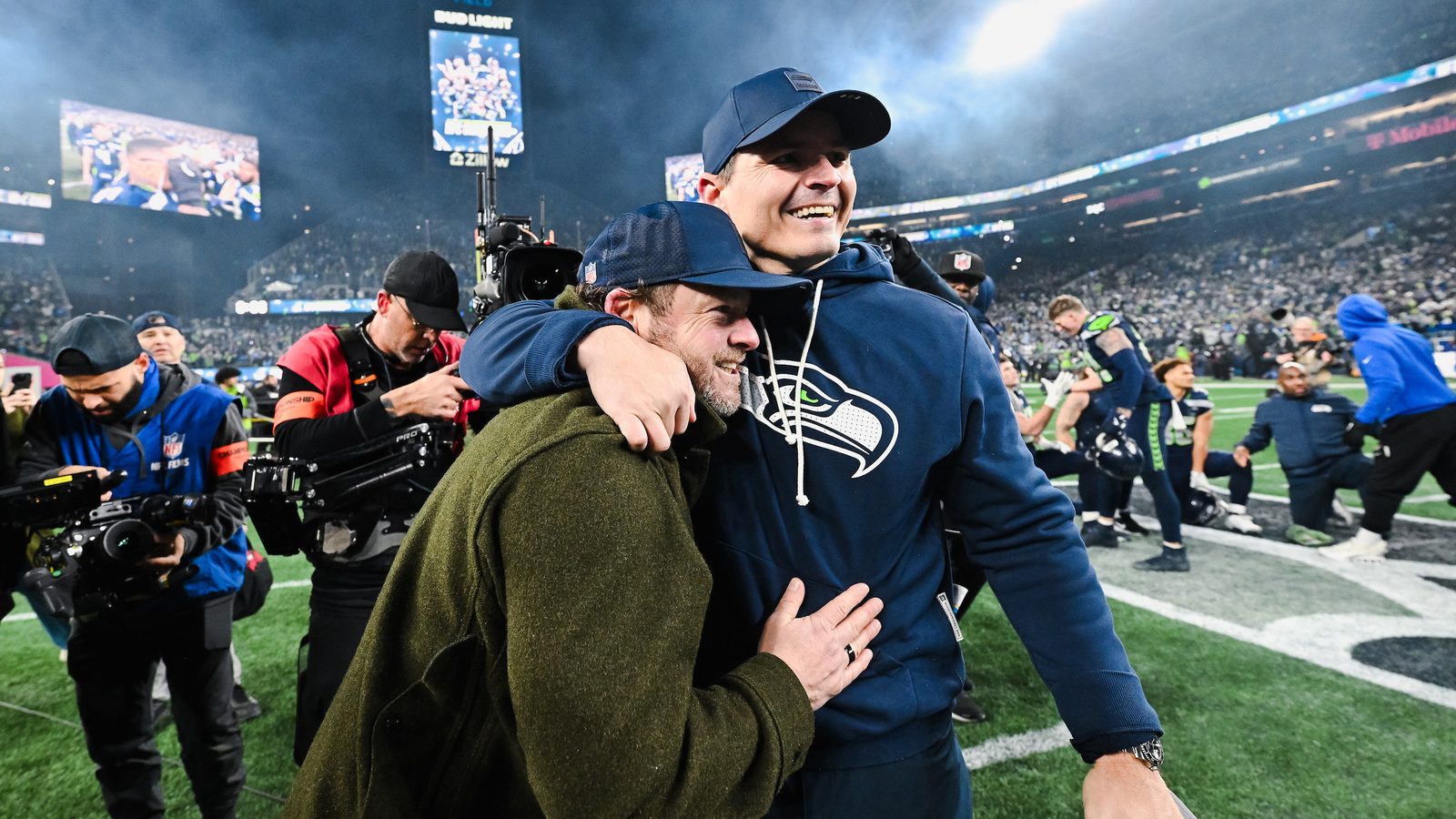
Still from The Sound: Of the Seahawks. Two men embrace on the sideline after a game while camera operators work around them.

The Sound:
Of the Seahawks

2022–2026

Creator · Editor · Creative Producer

Docuseries · YouTube

3× Northwest Emmy nominated
Watch
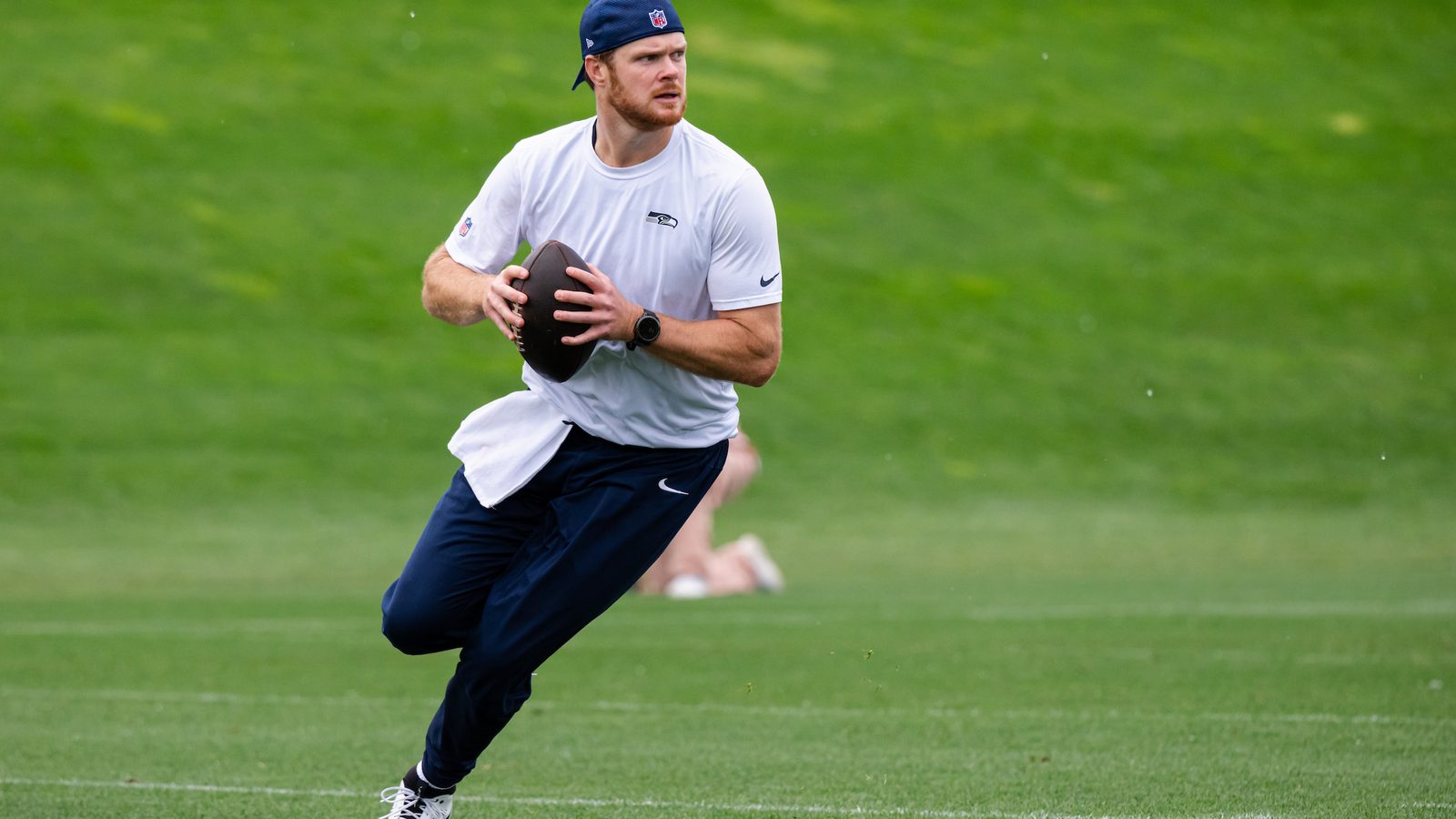
Still from Before the Noise. A Seahawks player carries a football across the field during warmups.

Before
the Noise

2024–2026

Creator · Editor · Creative Producer

Docuseries · YouTube

2× Northwest Emmy nominated
Watch
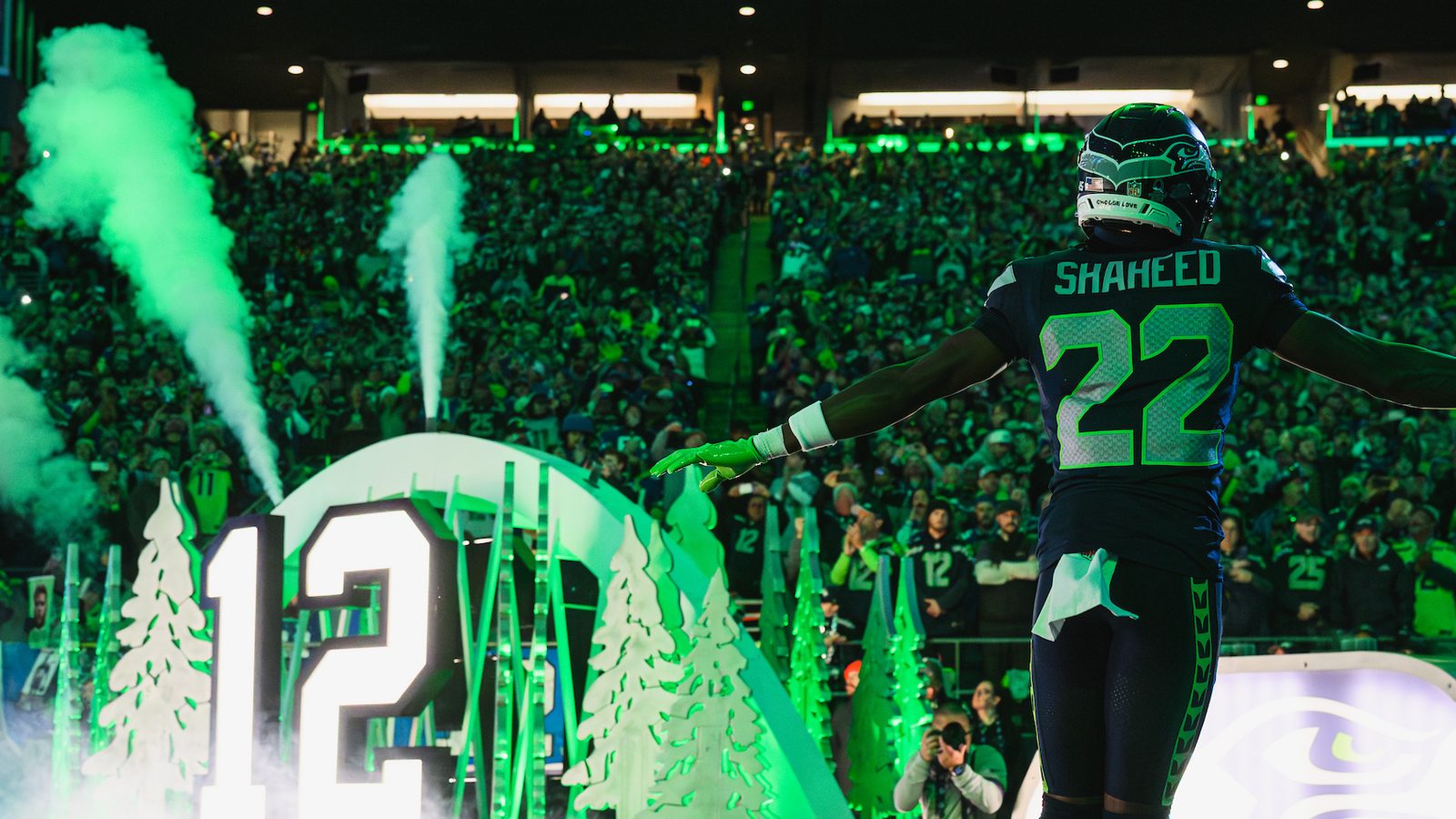
Still from The Specialists. Rashid Shaheed stands with arms outstretched amid green pyrotechnics and smoke during player introductions at Lumen Field.

Hometowns:
The Specialists

2026

Creative Producer

Docuseries · YouTube

Seven Northwest Emmy nominations across this work, including a craft nomination for editing. One win for Season of Boom, shared with the production team.

Before that
Selected earlier work

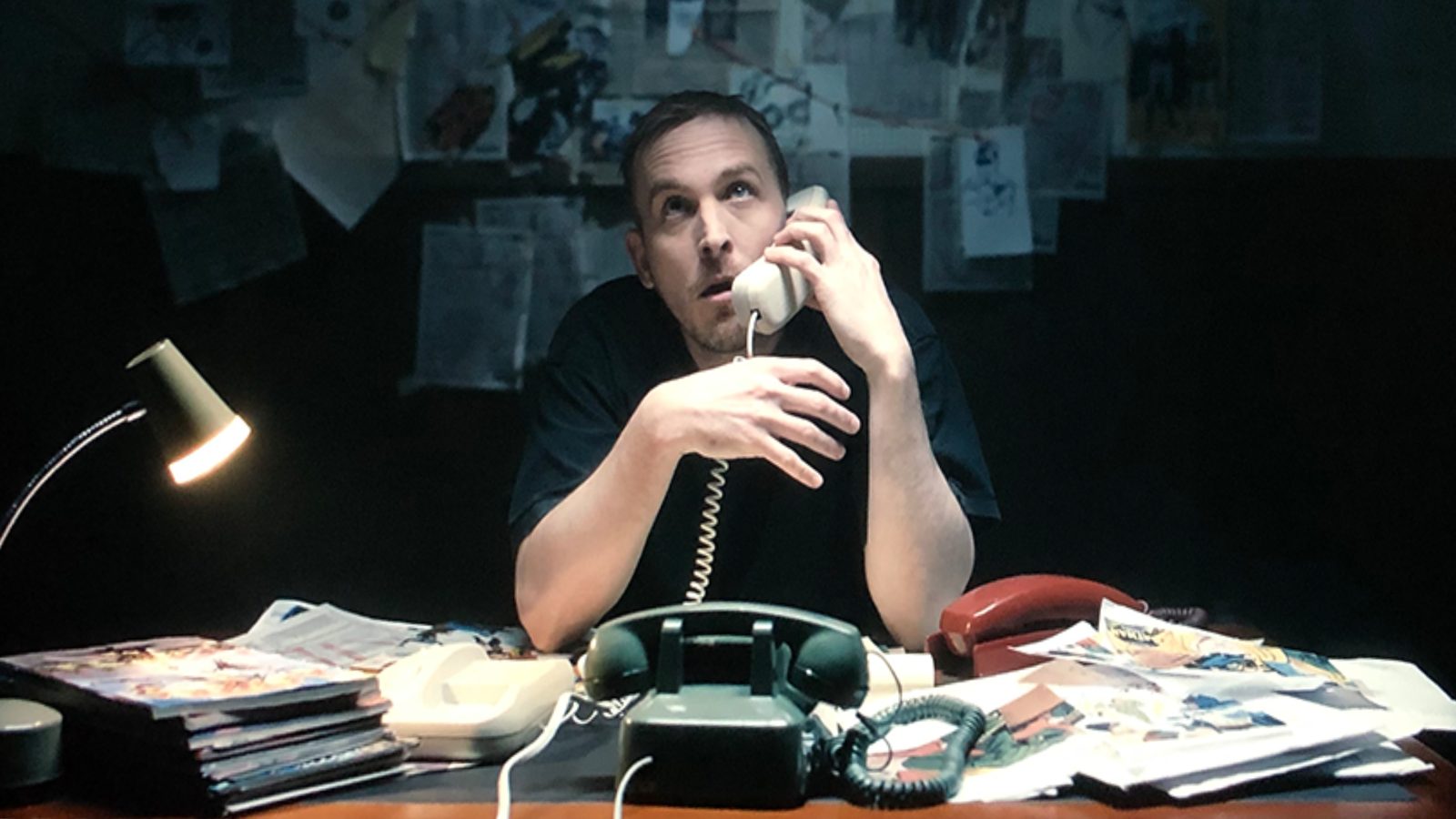
Still from Slugfest. A man sits at a cluttered desk on a corded phone, a wall of pinned papers behind him.

Slugfest

Production Designer

Documentary Series · Quibi / AGBO · dir. Don Argott & Sheena Joyce · 2021

Executive Producers Anthony & Joe Russo
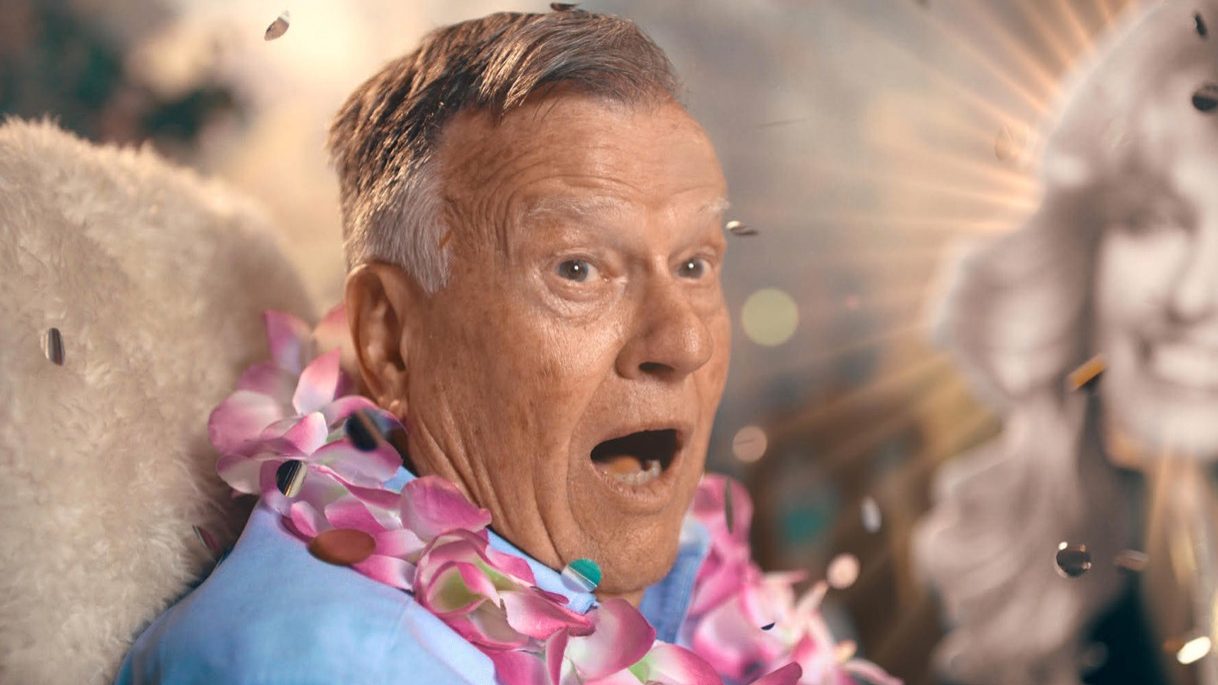
Still from Dick Johnson Is Dead. Dick Johnson wears a flower lei, backlit and wide-eyed, in one of the film's staged afterlife sequences.

Dick Johnson Is Dead

Production Designer

Feature Documentary · Netflix · dir. Kirsten Johnson · 2020

Academy Award Short List
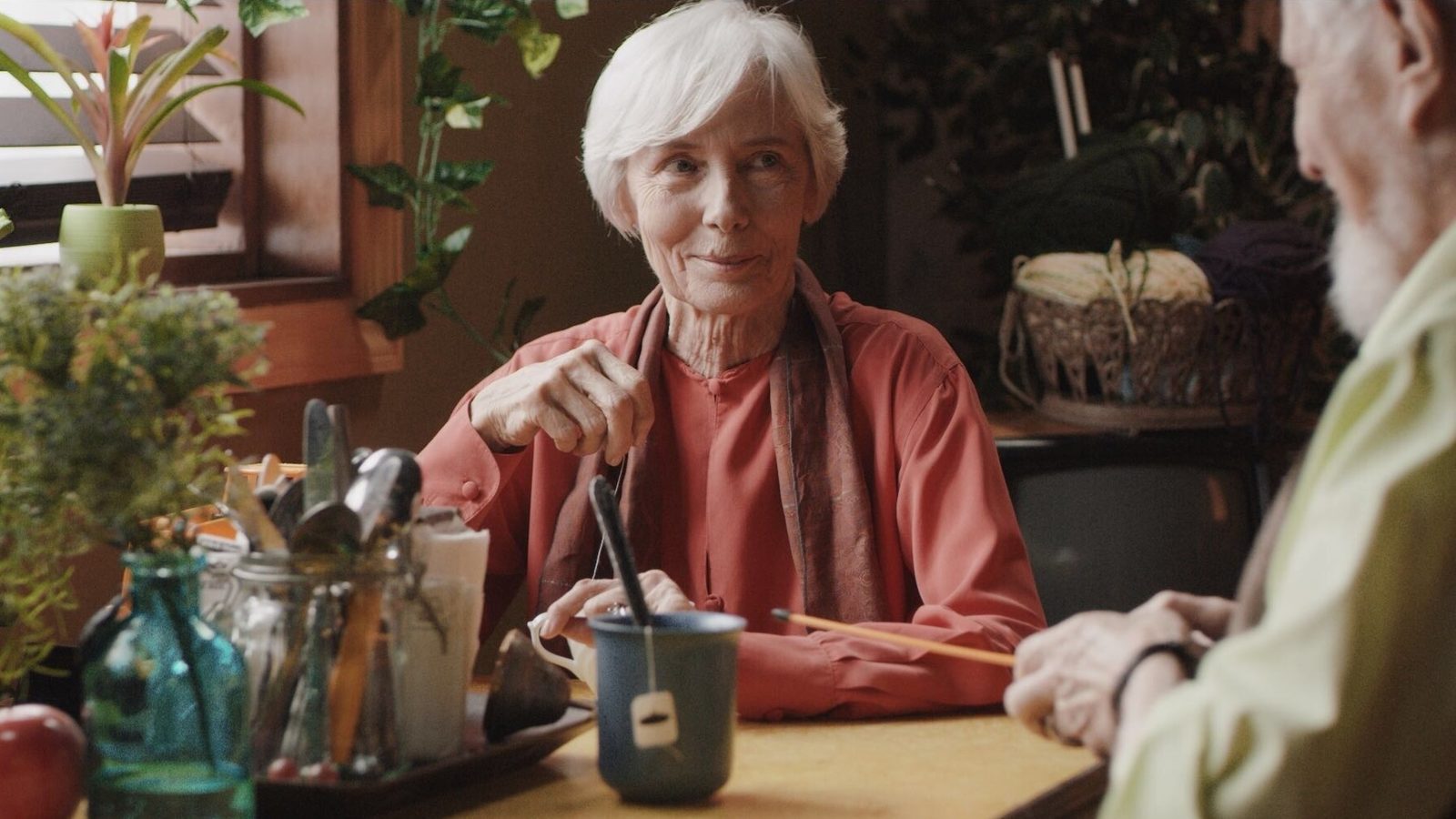
Still from Hello, World. An older woman sits at a diner counter with a mug, facing a companion.

Hello, World

Writer · Director · Production Designer

Short Film · 2019

GiGadgets production grant
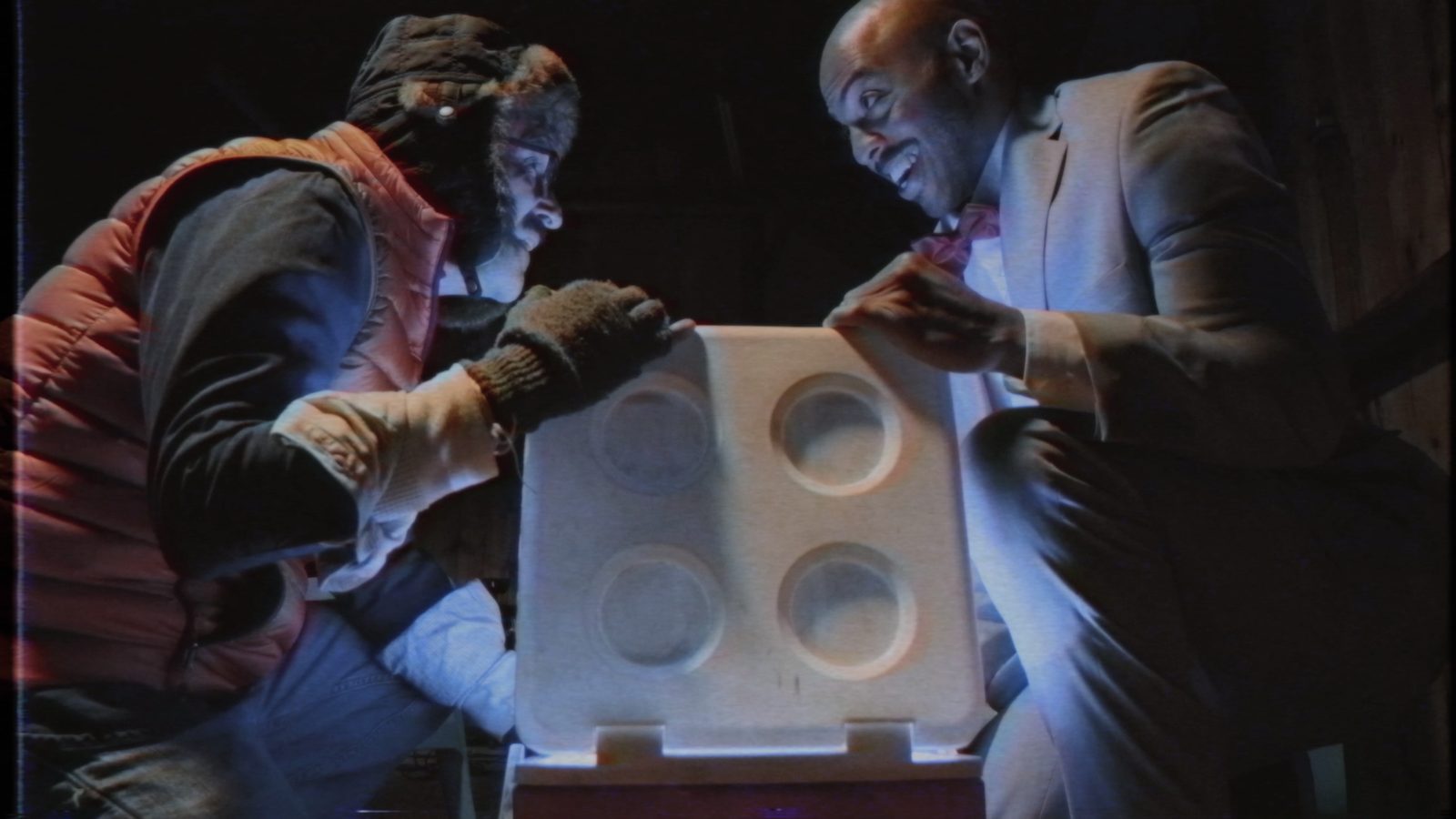
Still from TableTalk. Two people in winter coats and gloves open a white case at night, lit in warm red.

TableTalk

Co-Creator · Writer · Director · Production Designer

Digital Series · 2017

Straight to Screen development deal via Fullscreen

A reel from this era of my work is on Vimeo.
Here's the .

Contact

Say hello

Based in
Seattle, Washington

Freelance · 2016–2021

Productions

Features

  • Dick Johnson Is Dead2020Production Designer · Netflix
  • Martin Eden2019Art Director · dir. Jay Craven
  • American Invitation2018Leadman
  • Inside the Rain2018Leadman
  • Sunlit Night2018Leadman
  • Callahan2017Assistant Prop Master
  • Cubby2017Set Decorator

Series

  • Slugfest2021Production Designer · Quibi / AGBO
  • The Village2018Set Decorator · NBC · Season 1
  • Merce2017Production Designer · Season 2
  • TableTalk2017Co-Creator · Writer · Director · Production Designer · Fullscreen
  • Charlie’s NYC2016Motion Graphics · Season 1

Shorts

  • Hello, World2019Writer · Director · Production Designer
  • The 49th Day2019Director · Production Designer
  • The Faces Pentaptych2019Production Designer
  • I Miss Your Face2019Production Designer
  • Don’t Write Me Off2018Production Designer
  • Manifest2018Production Designer
  • Hello Apartment2017Art Buyer · Miu Miu
  • The Daughter2017Producer · Production Designer
  • Hapa2017Production Designer
  • Backtrack2016Writer · Director · Production Designer

Commercial & branded

  • MasterClass2017–18Set Dresser · 5 episodes
  • Red Bull2018Strike Leadman · 2 episodes

Commentary · Seattle Seahawks · 2022–2026

The Sound: Of the Seahawks

When The Sound started, we weren't sure exactly what it was supposed to be.

Still from The Sound, season two. A player in a helmet walks through a tunnel of green and blue light.
Watch the series

Where did the idea come from?

When I interviewed for the job, I talked about building a recurring documentary series in-house, like Hard Knocks but fitting the Seahawks identity. Before my second season, we were suddenly given the access to make it, with almost no pre-production and no title. My managing producer and I experimented our way through a first season of 10 episodes, with two cinematographers.

How did it get made?

I cut the first two seasons as lead editor, then moved to creative producer. That let the series grow in scale and scope: editing in segments with a larger team, and a back end that runs on a schedule, from interview booking through voiceover.

It felt like upgrading to a bigger vehicle, one that takes all hands on deck.

The production standards I wrote started with a three-cut rule:

Before that, revisions could get to version seven, or seventeen. Three cuts made us more intentional from pre-production on.

What happened?

When budgeting season rolled around, The Sound was eating up a lot of department resources, and there was a thought that it was cannibalizing content we used to make for other in-house teams.

Through a four-game losing streak in season two, our fans started to disconnect from our content. The Sound kept its audience, and made its own case for renewal.

Season one also earned the team's first Northwest Emmy nomination for work made fully in-house. We didn't win, but the consistent nominations since are proof we've built something lasting.

5thSeason, in production now
54Episodes and counting
3×Northwest Emmy nominations: 2022, 2024, 2025

What carried forward?

Our department has grown, and 75% or more of our video capture now goes toward The Sound and our other tentpole series. The show has grown much closer to Hard Knocks in tone and style, and it changed how we cover games. All Access and Mic'd Up already tell the game story, so The Sound became the players' look back at why the moments on the field mattered.

Title card from The Sound, season one: the series title over a man holding a hand-lettered film slate.
Season 1 · 2022
Title sequence from The Sound, season two: the series title breaking through a wash of water over the Seattle skyline.
Season 2 · 2023

The facts

My role
Creator · Editor · Creative Producer
Organization
Seattle Seahawks
Running
2022–2026
Platform
YouTube
Season one
10 episodes, a team of 4
Budget tier
Premium in-house
Credits
Directors
Maddie Down, Luke Benna
Creator · Editor · Creative Producer
Nathan Hong Fisher
Producers
Joseph Lipsen, Ian Portmann
Narrator
Jeffrey Dean Morgan
Cinematographers
Madi Camporese, Erika Wutherich, Sol Sanchez Kim
Production Coordinator
Mike Ferreri
Graphics
Christopher Strachan
DIT
Kendrick Easley
Assistant Editor
Leif Laitinen
Colorist
Kevin Liu
Sound Mix
Dave Gross

Commentary · Seattle Seahawks · 2024–2026

Before the Noise

The offseason usually gets covered as a list of transactions. I wanted it to feel like the calm before the storm, when everyone is trying to align on how to prepare.

Frame from the 1956 educational film The Symphony Orchestra: a conductor in white tie raises his baton before a wood-paneled wall.
The Symphony Orchestra, 1956
Still from Before the Noise, Episode 1. A press conference at the NFL Scouting Combine, framed inside a vintage television, with oversized caption text across the screen.
Before the Noise, Episode 1
Watch the series

Where did the idea come from?

The brief was a companion to The Sound, which had the regular season and playoffs covered. This one would take the offseason.

I'd been looking for a way to pair orchestral music with football, a good play on movement and the search for perfection. Our general manager, John Schneider, is at the center of building the team, so he became the conductor and the team became the orchestra. Not a lens we'd put on a football story before.

Animated frame from The Symphony Orchestra, 1956: the conductor stands at the center, the orchestra arranged around him as blocks of stylized red figures on blue.

The title plays on the noise of the 12s, a central pillar of the Seahawks brand, and on The Sound and Puget Sound. It was a win the moment I said it. The 1950s look needed proof, so I made a cold open for Episode 1.

Still from Before the Noise, Episode 1. A film-leader countdown, stopped on 5, plays on a vintage television set.

Who do we want to watch this?

Fans who track every signing, and people who've never thought about what a scout does.

The second group was the reach. The “violent chess” side of the game turns some people off, so we leaned on the strategy and the supporting characters instead of the mythical talent on the field. The cost was losing some die-hard X's and O's fans.

How did it get made?

New shows here run on a prove-it model: get the concept working on a shoestring, then ask for more next season. We had real access for interviews and MOS b-roll in sensitive locations, and paired it with the coverage we already shoot at the Combine, the draft, Media Day and training camp.

The fight in the edit was keeping the 1950s footage.

I wanted it visually interesting without relying on game footage and play calls.

What happened?

Episode 1 was nominated for a Northwest Emmy, and it was part of the work behind my craft nomination for editing that year.

It opened high, it held, and still over-performs for a series released in the offseason. The series lives on, just without much of the educational film or the orchestra in it.

13Episodes
50KAverage views per episode
2×Northwest Emmy nominations

The facts

My role
Creator · Editor (season one) · Creative Producer
Team
6, in-house
Budget tier
Premium in-house
Timeline
3 months, brief to premiere
Premiered
May 2024
Platform
YouTube
Credits
Director
Maddie Down
Creator · Editor (season one) · Creative Producer
Nathan Hong Fisher
Cinematographers
Joseph Lipsen, Luke Benna
Graphics
Christopher Strachan

Commentary · Quibi / AGBO · 2021

Slugfest

Comic book history, restaged decade by decade, from a 1940 movie theater to a 1990s office.

Slugfest title card, designed as a vintage comic book cover: the title in bold yellow lettering, with directing credits for Sheena M. Joyce and Don Argott.

How did it get made?

The art department was 12 people across two units, one in Los Angeles and one in New York. Every set started as a concept board, with reference photos and a palette for the period: a 1940 movie theater, offices from the 1940s to the 1990s, Stan Lee's office, a comic shop basement and a bunker.

Concept board for 1970s offices: reference photos of crowded offices and a drafting lamp, with a palette of orange, brown and teal.
Concept board
A monitor on set showing a period office in New York: a woman at a desk faces two people across from her.
On the day
Concept board for a comic book shop basement: reference photos of cluttered walls of papers and an artist at a drawing table, with a palette of rust, gold, grey and green.
Concept board
A monitor on set showing the basement as built: wood paneling, a plaid couch and lamps, two men reading comics.
On the day
Still from Slugfest: two men lean in toward a glowing red lava lamp in a 1970s living room.

The facts

My role
Production Designer
Studio
Quibi / AGBO
Directors
Don Argott & Sheena Joyce
Executive Producers
Anthony & Joe Russo
Released
2021
Scope
Narrative sequences and vertical-first visual systems
Art department
12, across two units
Episodes
8
Built in
Los Angeles and New York
Credits
Production Designer
Nathan Hong Fisher
Directors
Don Argott & Sheena Joyce
Executive Producers
Anthony & Joe Russo

Commentary · Netflix · 2020

Dick Johnson Is Dead

  • 8people in the art department
  • 5–10outside vendors: fabrication, printing, rentals, transport
  • On targetart department budget

Kirsten Johnson made a film about her father by staging his death, again and again, so they could both practice losing each other. My part was the soundstage design and builds.

Where did the idea come from?

Heaven had to look like somewhere Dick would actually want to go. The idea was for it to be over-saturated with texture.

Pencil sketch of the heaven set: a backdrop of clouds and hills behind a sunburst arch, with balustrades across the front.
Sketch
Still from Dick Johnson Is Dead: a banquet in heaven, guests around a crowded table under a sunburst arch, with clouds, hills and a painted sky behind.
On screen

How did it get made?

Two builds, heaven and hell, on a soundstage in Brooklyn. About three months of design and fabrication, then three days to load in, build, dress and light, and three days to shoot.

The hell set mid-build on a soundstage: walls of salvaged doors around a couch, a lamp and a coffee table.
Hell, mid-build.
Still from Dick Johnson Is Dead: in heaven, a Jesus figure pours water over Dick Johnson's feet as he reclines in a lounge chair among the clouds.
Heaven, on screen.

What happened?

It played Sundance in 2020, then made the Academy Award short list on Netflix.

The facts

My role
Production Designer, soundstage design and builds
Director
Kirsten Johnson
Studio
Netflix
Released
2020
Builds
2, on a soundstage in Brooklyn
Timeline
3 months of design and fabrication, 3 days of load-in, 3 days on stage
Film locations
Seattle, San Francisco and New York
Recognition
Academy Award short list · Sundance 2020
Credits
Director
Kirsten Johnson
Production Design
Nathan Hong Fisher, Markus Kirschner
Writers
Nels Bangerter, Kirsten Johnson
Producers
Katy Chevigny, Kirsten Johnson, Marilyn Ness, Simon Mendes, Maureen A. Ryan
Executive Producers
Megan Ellison, Jonathan Taylor, Jason Spingarn-Koff
Cinematography
John Foster, John Wakayama Carey, Kirsten Johnson, Nadia Hallgren
Editor
Nels Bangerter
Composer
Hitomi Shimizu
Costume Design
William Mellette

Commentary · Short film · 2019

Hello, World

A sci-fi love story, shot in a black box studio as an MFA thesis film at Columbia University.

Still from Hello, World. An older woman sits at a diner counter with a mug, facing a companion.
Watch the film

Where did the idea come from?

An elderly couple make a choice about what happens when they die, but the decision to preserve their brains doesn't go as planned.

The story starts with a couple who've already had a full life together. Gayle and Bennet are at the end of it, and they decide to try to keep going, together, through technology.

Cover of the Hello, World production proposal: the title in a digital-clock typeface, with the credits connected to it by thin red lines.
Page from the Hello, World proposal: scale models and logo sketches for the Acheron Life Extension Institute set.

The logline and pages from the 2018 production proposal, which won the GiGadgets grant.

What did we have to work with?

The proposal said it up front: the film would draw from theatrical set design, and build its locations out of modular set pieces, lighting, projections and a chorus of performers moving the world around Bennet and Gayle. We had one black box studio and the grant.

Page from the Hello, World proposal: a hallway set built as an open frame, shown in scale-model photos and a pencil sketch.
Proposal
Still from Hello, World: a figure in a glossy suit sits at a table beside an old machine, washed in red light, with a silhouetted figure in the foreground.
On screen

What happened?

Official selection at Otherworlds and FilmQuest in 2019, where it was nominated for Best Sci-Fi Short.

The facts

My role
Writer · Director · Production Designer
Producer
Kristy Richman
Shot
December 2018, New York
Released
2019
Funding
GiGadgets production grant
Made as
An MFA thesis film, Columbia University
Credits
Writer · Director · Production Designer
Nathan Hong Fisher
Story
Nathan Hong Fisher & Kristy Richman
Producer
Kristy Richman
Director of Photography
Jamal Solomon

Commentary · Fullscreen · 2017

TableTalk

  1. PitchStraight to Screen, Fullscreen
  2. Deal$75K in development funding
  3. GreenlightSeason one
  4. Premiere8 months later

A short-form series for Fullscreen, eight months from greenlight to premiere. Seven episodes, each one dropping a group of friends into the genre of the game on the table.

Watch the trailer

How did it get made?

We shot seven episodes in 13 days, with a producing team of two and more than 20 artists from the tri-state area. I co-created it, wrote it, directed it and designed it, and on a digital budget most of the job is knowing which of those roles gets your attention on which day.

Still from TableTalk: friends gathered around a board game in a living room, one leaning back in an armchair.
Still from TableTalk's animated episode: a hand-drawn black-and-white character with spiraling eyes and an open mouth.

Game night, and one of the genres it turns into.

What happened?

We were accepted to a panel at PAX Unplugged in 2017. That September we built a deck for season two, with a seven-episode arc and a roadmap to a premiere at PAX Unplugged in November 2018. Season two wasn't made.

Cover of the TableTalk season two deck, with the title in outlined retro lettering on a paper texture.
Page from the TableTalk season two deck: the season's story arc, episode by episode, each tagged with a genre.

From the season two deck, September 2017.

The facts

My role
Co-Creator · Writer · Director · Production Designer
Co-Creator
Kristy Richman
Partner
Fullscreen
Released
2017
Format
7 episodes, about 10 minutes each
Shoot
13 days
Team
A producing team of 2, and 20+ artists
Recognition
Straight to Screen development deal
Credits
Co-Creator · Writer · Director · Production Designer
Nathan Hong Fisher
Co-Creator · Executive Producer
Kristy Richman
Director of Photography
Mikey Boyne